
【柴犬ポテチの成長日記 #1】科学で解き明かす「頑固」な柴犬とのコミュニケーション術
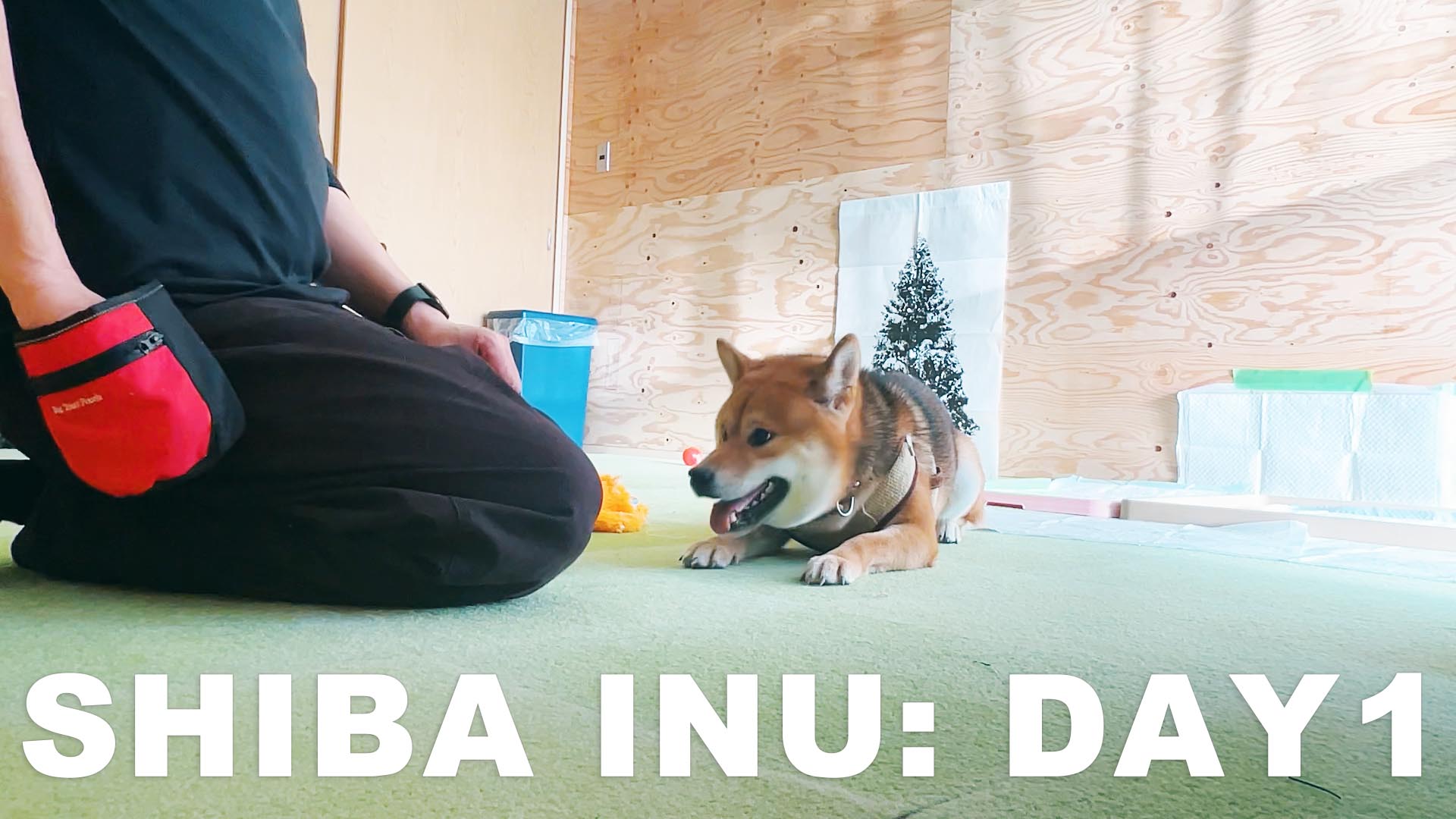
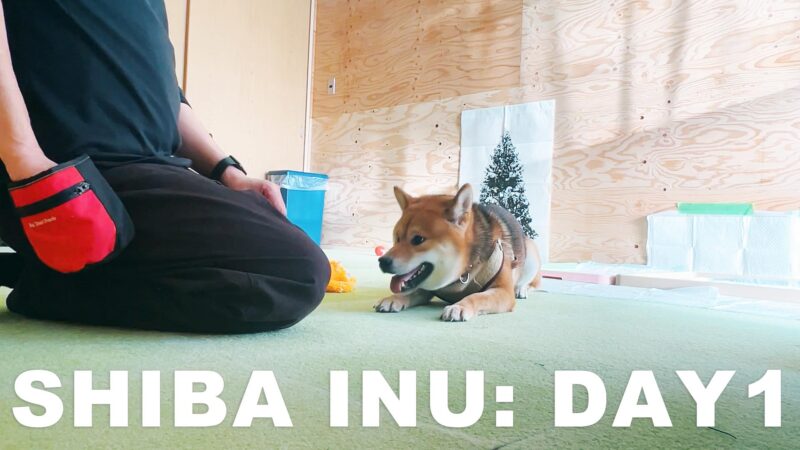
2025年12月25日。クリスマスという特別な日に、ポテチの本格的なトレーニングカリキュラムがスタートしました。 今回は、15分超の動画に収めたトレーニングの裏側にある「プロの視点」を詳しく解説します。
December 25, 2025. On this special Christmas day, Potechi’s professional training curriculum officially began. In this post, I will provide a professional’s perspective on the training behind the 15-minute video.
目次
- 1. 「落ち着き」は午前中の準備で作る / "Calmness" is Created by Morning Preparation
- 2. 「ぺ(離せ)」は支配ではなく、次への合図 / The "Pe" (Drop It) Cue: A Signal for What's Next, Not Dominance
- 3. 「脳トレ」で行動のボキャブラリーを増やす / Expanding "Behavioral Vocabulary" through Brain Training
- 4. 犬の「NO」を聞き逃さない(アニマルウェルフェア) / Listening to the Dog's "NO" (Animal Welfare)
- 5. 今回のまとめ / Summary
1. 「落ち着き」は午前中の準備で作る / “Calmness” is Created by Morning Preparation
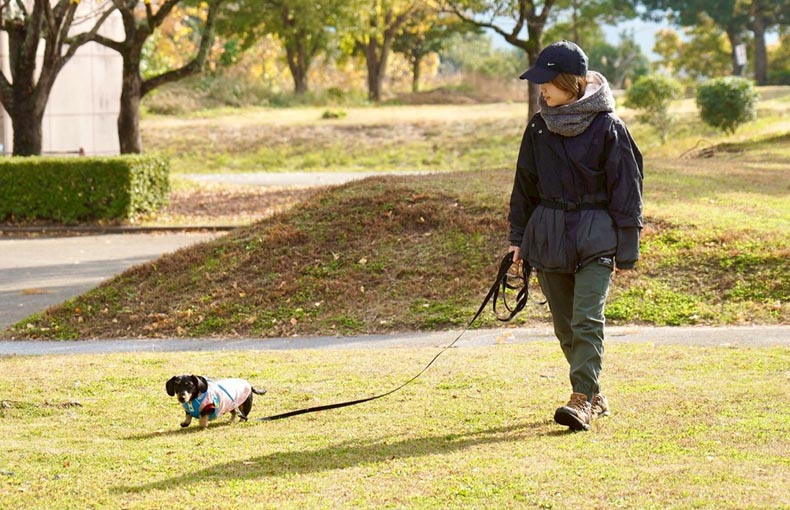
ドッグトレーニングは、練習そのものより「練習ができる状態を作る」ことが大切です。 この日は、午前中に多めの散歩を取り入れました。エネルギーを発散させ、心身ともにリラックスさせることで、午後のレッスンで集中力を発揮できる「土台」を作っています。
Successful dog training is less about the exercise itself and more about “creating a state where practice is possible.” On this day, we included a long walk in the morning. By burning off energy and relaxing him physically and mentally, we built the foundation for him to maintain focus during the afternoon lesson.
2. 「ぺ(離せ)」は支配ではなく、次への合図 / The “Pe” (Drop It) Cue: A Signal for What’s Next, Not Dominance
動画の中で練習している「ぺ」という言葉の合図。これは、咥えているものを無理やり奪うためではありません。
The “Pe” cue practiced in the video is not about forcibly taking items away.
プロの意図: 「離したら、もっと楽しいことが始まる」と教えること。
Pro’s Intent: To teach that “releasing an object leads to something even more fun.”
アプローチ: おもちゃを離した瞬間に、新しいおもちゃを左右に動かして刺激を与えます。これにより、「離す=損をする」ではなく「離す=新しい遊びの合図」に書き換えていきます。
Approach: The moment he lets go, I provide stimulation by moving a new toy side-to-side. This rewrites the experience from “losing something” to “a signal for a new game.”
※注意点:左右に振る動きは犬を非常に興奮させます。興奮しすぎると「甘噛み」に繋がるため、あえて短い時間で切り上げ、休憩を挟むのがプロのコントロール技術です。
*Note: Side-to-side motion is highly exciting for dogs. Since over-excitement can lead to nipping, a key professional technique is to keep sessions brief and take frequent breaks.
3. 「脳トレ」で行動のボキャブラリーを増やす / Expanding “Behavioral Vocabulary” through Brain Training
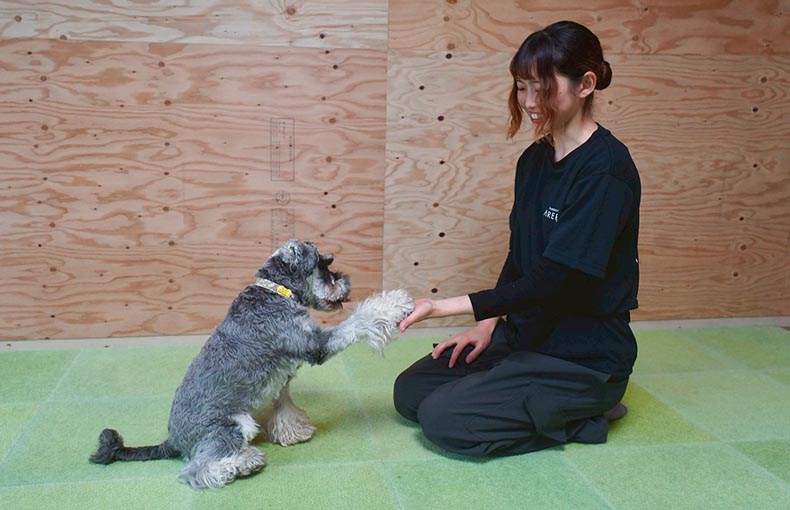
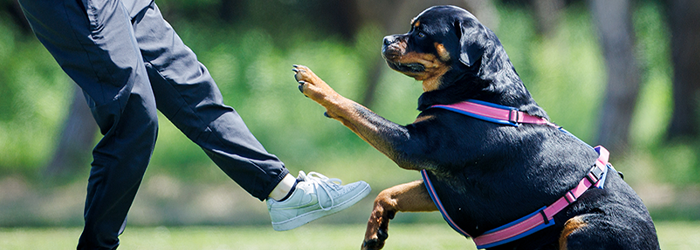
後半で行ったのは、前足を使ったターゲットトレーニング、いわゆる「脳トレ」です。 ただ指示に従わせるのではなく、犬自身に「どうすればいいんだろう?」と考えさせることで、脳が活性化し、学習能力が高まります。
The latter half focused on target training using front paws—so-called “brain training.” Instead of just following orders, letting the dog think “What should I do?” activates the brain and improves learning capacity.
前足を使うことを意識させると、犬が表現できる行動の幅(ボキャブラリー)がぐんと広がります。これは、将来的に難しい課題に直面した時の「解決力」に繋がるのです。
Focusing on front paw usage greatly expands a dog’s “vocabulary” of behaviors. This leads to better “problem-solving skills” when facing difficult challenges in the future.
4. 犬の「NO」を聞き逃さない(アニマルウェルフェア) / Listening to the Dog’s “NO” (Animal Welfare)
実はこの日、「鼻タッチ」の練習も予定していました。しかし、ポテチは道具(コーン)に対して「今はやりたくない」というサインを出しました。 ここで無理強いせず、すぐにそのメニューを中止する。これも、私たちが大切にしているアニマルウェルフェア(動物福祉)の考え方です。 犬の選択肢を尊重することで、結果的に人間への信頼が深まり、トレーニング効率は上がります。
We also planned “nose touch” practice, but Potechi signaled that he “didn’t want to do it” regarding the tool (cone). Stopping the menu immediately without force is the essence of the Animal Welfare we value. Respecting a dog’s choices strengthens trust and ultimately improves training efficiency.
5. 今回のまとめ / Summary
15分という長い時間でしたが、最後には「クリッカーの意味がほんの少しわかってきた」という確かな手応えがありました。「カチッ」という音が「いいこと(報酬)」の前兆であると理解し始めたポテチ。 焦らず、一歩ずつ、科学の力で彼との絆を深めていきます。
Despite the 15-minute duration, I felt a real breakthrough: he’s starting to grasp the meaning of the clicker. Potechi is beginning to understand that the “click” is a precursor to something good (a reward). One step at a time, we’ll continue to deepen our bond through the power of science.
本日のトレーニングメニュー詳細 / Today’s Training Menu Details:
- 午前:エネルギー発散のための長めの散歩
Morning: Long walk for energy release - 午後:集中レッスン
Afternoon: Intensive lesson - 「ぺ」の合図と興奮コントロール
“Pe” cue and excitement control - おすわりからの遊び開始(自制心の強化)
Starting play from a “sit” (Self-control) - 前足を使ったターゲット練習(脳トレ)
Target practice with front paws (Brain training)
この記事は役に立ちましたか?
もし参考になりましたら、下記のボタンで教えてください。